
Tired of covering up dark spots with layers of concealer every morning? Frustrated that expensive creams barely make a dent in your sun damage? Maybe you’ve dealt with melasma for years, or you’re stuck with stubborn post-acne marks that won’t fade no matter what you try.
Dark spots don’t have to be permanent. At Manhattan Laser Spa in Hallandale Beach, we use medical-grade treatments to fade hyperpigmentation, sun spots, age spots, melasma, and post-acne marks. This includes IPL photofacials, laser therapy, chemical peels, and prescription-strength topical treatments that actually work. These aren’t the products you find at the drugstore. They’re clinical treatments performed under physician supervision.
Living in South Florida means your skin takes constant UV exposure that creates new dark spots faster than in most other places. If you’re dealing with pigmentation issues, you need professional treatment combined with serious sun protection.
Dark spots happen when your skin produces too much melanin (the pigment that gives skin its color) in specific areas. Different things trigger this overproduction:
Sun exposure is the biggest culprit. UV rays damage skin cells, which respond by producing excess melanin as a defense mechanism. Those brown spots on your face, hands, chest, and shoulders? That’s accumulated sun damage from years of living in Hallandale Beach.
Hormonal changes trigger melasma, those dark patches that appear on your cheeks, forehead, and upper lip. Pregnancy, birth control pills, and hormone replacement therapy all can cause this. It’s notoriously stubborn to treat.
Post-inflammatory hyperpigmentation (PIH) occurs after acne, injuries, or any skin inflammation. Your skin produces extra melanin during the healing process, leaving dark marks long after the original problem healed.
Aging brings age spots (liver spots) as accumulated sun damage becomes visible over time.
Certain medications can make your skin more prone to hyperpigmentation, especially with sun exposure.
Here’s the problem with over-the-counter products: they can’t penetrate deep enough to break down established pigmentation effectively. Professional treatments reach the dermal layers where pigment deposits live.

IPL photofacials use intense pulsed light to target melanin in dark spots. The light energy heats and breaks down pigmented cells, which your body gradually eliminates over the following weeks. You’ll see treated spots darken first (this is normal), then flake off like coffee grounds over seven to 14 days.
Best for overall sun damage, age spots, and freckling across larger areas.
Q-switched lasers deliver ultra-short pulses that shatter pigment particles without damaging surrounding skin. These work exceptionally well for stubborn spots that won’t respond to other treatments.
Best for isolated dark spots, deeper pigmentation, and resistant sun damage.
Picosecond lasers are even faster than Q-switched lasers, breaking down pigment into smaller particles your body can eliminate more easily. They work on all skin types with lower risk of post-inflammatory hyperpigmentation.
Best for melasma and treating darker skin tones safely.
Chemical peels use medical-grade acids to exfoliate pigmented skin cells and promote even cell turnover. Different peel strengths treat different depths of pigmentation.
Best for overall tone improvement, melasma, and post-acne marks.
Prescription topicals include hydroquinone (the gold standard for pigment lightening), tretinoin, kojic acid, and other agents that prevent melanin production and accelerate cell turnover.
Best for maintaining results and treating pigmentation that covers large areas.
Combination therapy often works best. We might use laser to break down existing pigment while prescription creams prevent new pigment formation and chemical peels accelerate results.
South Florida sun is brutal on pigmentation. The UV index here stays high year-round, giving your skin constant opportunities to create more dark spots.
Here’s what we see every day in our Hallandale Beach clients:
Extensive sun damage. Years of beach days, outdoor activities near Gulfstream Park, and simply living in intense sunshine create widespread brown spots on your face, chest, shoulders, hands, and arms.
Melasma that won’t quit. The combination of sun, heat, and hormones makes melasma incredibly common in South Florida. Those dark patches on your cheeks and upper lip are stubborn and frustrating.
Post-acne marks that last forever. Florida’s humidity triggers breakouts, and the dark marks left behind are exacerbated by sun exposure. They stick around for months or years without treatment.
Age spots appearing earlier. Accumulated UV damage means sun spots show up sooner here than in less sunny climates.
Dark spots that keep coming back. Without proper sun protection, you’ll develop new spots as fast as you treat existing ones. This is why maintenance and prevention are so important.

We customize treatment based on your pigmentation type, skin tone, and what’s causing your dark spots.
We start with comprehensive skin analysis, often using a Wood’s lamp (special UV light) that shows pigment depth and distribution invisible to the naked eye. This helps us determine which treatments will work best.
We evaluate your Fitzpatrick skin type. This is critical because darker skin tones require different treatments and settings to avoid causing more hyperpigmentation. Using the wrong treatment on darker skin can make things worse, not better.
We’ll discuss:
Then we recommend specific treatments. For widespread sun damage, IPL might be best. For isolated stubborn spots, laser therapy. For melasma, combination therapy with peels, prescription creams, and possibly laser.
Preparation is crucial for dark spot treatment, more so than many other procedures.
Four to six weeks before: We’ll start you on prescription lightening agents like hydroquinone or tretinoin. This primes your skin and improves results.
Two weeks before: Avoid sun exposure as much as possible. No tanning whatsoever. Use SPF 30+ religiously.
One week before: Stop using retinoids and exfoliating products that might sensitize your skin.
Day of treatment: Come with clean skin, no makeup or skincare products.
This preparation phase isn’t optional. It significantly affects your results and reduces complication risks.
Most dark spot treatments are quick and relatively comfortable.
IPL photofacials take 20 to 30 minutes. You’ll feel snapping sensations and heat as the light flashes. Most people tolerate it without numbing cream. Immediately after, your skin looks slightly red and dark spots appear darker.
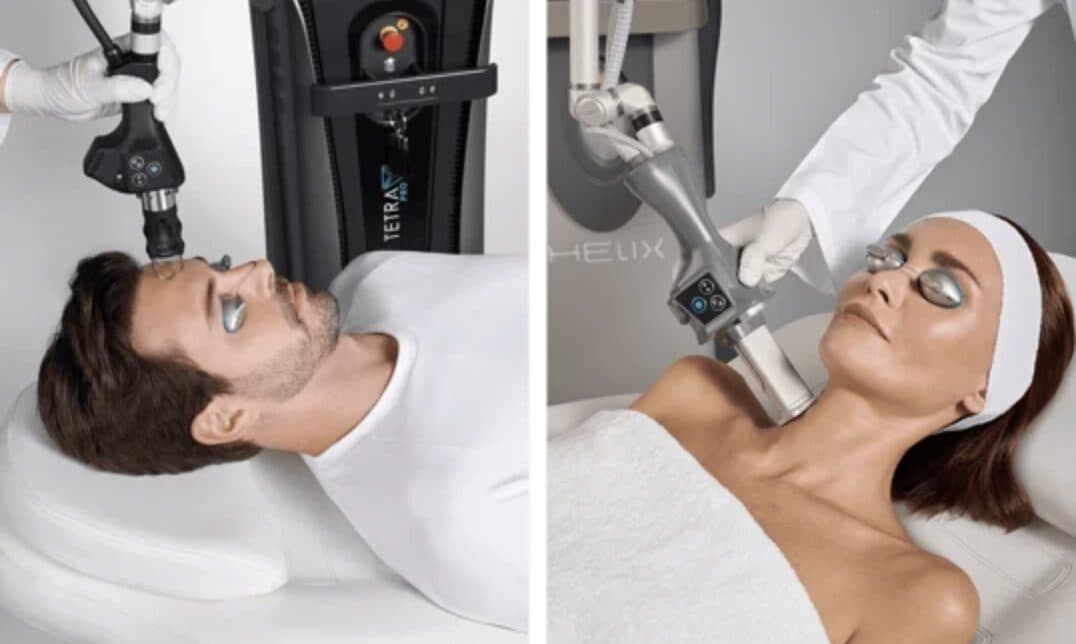
Laser treatments take 15 to 45 minutes depending on how many spots we’re treating. You’ll feel sharp snapping with each pulse. We use cooling to keep you comfortable. Treated spots turn dark gray or white immediately.
Chemical peels involve applying the acid solution, which stings and burns for several minutes. The intensity depends on peel strength. We neutralize the peel and apply soothing products.
After any treatment, we apply sunscreen and give you detailed aftercare instructions. Following these instructions makes the difference between great results and complications.
Recovery varies by treatment type.
After IPL: Your skin is red for a few hours, like mild sunburn. Dark spots look darker for about a week, then start flaking off. Most visible improvement shows by two weeks. You need minimal downtime.
After laser: Treated spots form dark crusts that last seven to 14 days. Don’t pick at them. Let them fall off naturally. The skin underneath is lighter and pink. Some swelling and redness is normal.
After chemical peels: Your skin peels for three to seven days depending on peel strength. You’ll look obviously treated during this time. The new skin underneath is brighter and more even.
Most people need a series of treatments spaced three to four weeks apart for optimal results.
Avoid heat. No hot tubs, saunas, or very hot showers for at least a week. Heat can trigger more pigmentation.

Sun spots and age spots fade dramatically with IPL or laser treatments. Most people see 70 to 90 percent improvement after a series of three to five treatments.
Melasma is trickier but treatable with combination therapy. Expect gradual improvement over several months. Melasma often requires ongoing maintenance because it tends to recur.
Post-acne marks respond well to chemical peels and laser treatments. Dark marks fade significantly faster with professional treatment than waiting for them to fade naturally (which can take years).
Freckles can be reduced or eliminated if desired, though many people prefer to keep them.
Uneven skin tone improves across your entire face, not just individual spots. Your complexion becomes more uniform and brighter.
Hand pigmentation responds to treatment just like facial spots, though hands need especially diligent sun protection afterward.
This is critical. Not all dark spot treatments work safely on all skin tones.
Light to medium skin (Fitzpatrick I-III) can usually receive most treatments, including aggressive IPL and laser settings.
Olive to brown skin (Fitzpatrick IV-V) requires careful treatment selection and conservative settings. Too much energy can trigger post-inflammatory hyperpigmentation, making things worse instead of better.
Very dark skin (Fitzpatrick VI) needs specific protocols. Q-switched Nd:YAG lasers at certain settings work safely. Picosecond lasers are excellent options. Some IPL is too risky. Chemical peels need specific formulations.
Our diverse Hallandale Beach community means we regularly treat all skin tones. We have the expertise and technology to work safely on every skin type. During consultation, we’ll explain which treatments are safe for your specific skin tone.
This depends on what you’re treating and how severe it is.
For sun spots and age spots: Three to five IPL or laser sessions spaced three to four weeks apart typically deliver significant improvement.
For melasma: Expect a longer timeline. You might need six to eight treatments over several months, plus ongoing maintenance.
For post-acne marks: Three to six chemical peels or laser sessions usually fade marks significantly.
For maintenance: Most people need touch-up treatments every six to 12 months to address new spots and maintain results.
Results aren’t instant. Dark spots darken before they fade. Most visible improvement happens two to four weeks after each treatment as your body eliminates broken-down pigment.
Professional treatments work best when combined with prescription-strength topical agents.
Hydroquinone is the gold standard for pigment lightening. It inhibits the enzyme that produces melanin. You’ll typically use 4% prescription strength (much stronger than the 2% you can buy over the counter).
Tretinoin (prescription retinoid) accelerates cell turnover and helps other lightening agents penetrate better. It also provides anti-aging benefits.
Kojic acid, azelaic acid, tranexamic acid, and other agents work through different mechanisms to lighten pigmentation and prevent new spots.
We’ll prescribe specific combinations based on your skin type and concerns. These medications prep your skin before treatments and maintain results after.
Treatment without prevention is pointless in South Florida. You’ll just develop new spots as fast as you fade old ones.
Daily sunscreen is non-negotiable. Make it part of your morning routine like brushing your teeth. Apply it before you leave the house, even if you’re just running errands.
Reapply throughout the day. If you’re outside, reapply every two hours. Keep sunscreen in your car, purse, and office.
Wear protective clothing. Wide-brimmed hats, sunglasses, long sleeves when possible. Physical barriers work better than sunscreen alone.
Seek shade. Avoid direct sun exposure when possible, especially during peak hours.
Continue medical-grade skincare. Prescription retinoids, antioxidants like vitamin C, and gentle exfoliants maintain clear, even skin.
Address breakouts quickly. Treating acne promptly reduces the risk of post-inflammatory hyperpigmentation.
You’re a good candidate if:
You might need to wait if:
People with darker skin tones absolutely can get dark spot treatment, but it requires specific protocols and experienced providers who understand how to treat all skin types safely.
Dark spot treatment pricing varies based on:
IPL photofacials typically cost less per session than advanced laser treatments. Treating small isolated spots costs less than full face treatment. Series packages reduce per-treatment costs.
Most people invest $1,500 to $4,000 for a complete treatment plan depending on their needs.
Yes, it’s more expensive than drugstore creams. But those creams don’t work for established pigmentation. One professional treatment delivers more improvement than years of expensive products that don’t penetrate deep enough.
We offer package pricing for treatment series. During your consultation, we’ll give you specific costs based on your customized plan. No surprises or hidden fees.
Physician-supervised care. All treatments are performed under medical director oversight. We follow strict protocols designed to deliver results safely.
Multiple technologies. We have different lasers, IPL systems, and peel options for different skin types and pigmentation concerns. This means we match the right treatment to your specific situation.
Experience with all skin tones. We safely treat Fitzpatrick types I through VI. Our expertise with diverse skin types matters in our South Florida community.
Customized protocols. We adjust treatment types, energy levels, and combinations based on your unique skin and concerns.
Comprehensive approach. We combine in-office treatments with prescription topicals for optimal results.
Realistic expectations. We’re honest about what’s achievable and how long it takes. Dark spot treatment requires patience and consistency.
Licensed medical professionals. Your treatments are performed by trained, licensed aestheticians working under physician supervision.
Convenient location. We serve Hallandale Beach residents plus clients from Aventura, Hollywood, Sunny Isles Beach, and throughout Broward County. Whether you’re near Golden Isles, Gulfstream Park, or the beach, we’re accessible.
We’re conveniently located to serve clients throughout Hallandale Beach, including Golden Isles, Three Islands, Diplomat Landing, and areas near the beach and Gulfstream Park. We also see clients from nearby Aventura, Hollywood, North Miami Beach, Sunny Isles Beach, Pembroke Pines, and throughout Broward and Miami-Dade Counties.
Dark spots actually get darker before they fade, which confuses people. Immediately after IPL or laser treatment, spots look more obvious for about a week. Then they start flaking off like coffee grounds over the next one to two weeks. You’ll see visible lightening by week two or three. However, full results develop over several months as your body continues eliminating pigment and you complete your treatment series. Most people see significant improvement after three to five sessions spaced three to four weeks apart. Melasma takes longer, often requiring six months to a year of treatment plus maintenance.
Yes, if done incorrectly. This is especially true for darker skin tones. Using too much energy or the wrong laser wavelength can trigger post-inflammatory hyperpigmentation, making dark spots worse instead of better. This is why choosing experienced providers who understand how to treat diverse skin types safely is critical. We use conservative settings, proper cooling, and appropriate technology for your skin tone. We also require strict sun protection because sun exposure after treatment can darken spots worse than they were originally. Following pre and post-treatment protocols minimizes this risk significantly.
Sun spots are usually easier to treat than melasma. They’re isolated areas of pigment that respond well to IPL or laser in a series of treatments. Melasma is trickier because it’s driven by hormones and heat, not just sun damage. It sits deeper in the skin and tends to recur. Treating melasma requires a gentler, more gradual approach combining chemical peels, prescription topicals, and sometimes low-energy laser treatments. We avoid aggressive treatments that can make melasma worse. Melasma also requires long-term maintenance because it often comes back, especially with sun exposure or hormonal changes.
Honestly, fall, winter, and early spring are better times for dark spot treatment because sun exposure is slightly less intense. However, in South Florida, we perform treatments year-round for clients who can commit to strict sun protection. This means SPF 30+ every day, reapplying every two hours when outside, wearing wide-brimmed hats, and actively avoiding direct sun exposure. If you spend a lot of time outside for work or lifestyle, it’s better to wait for cooler months. If you can minimize sun exposure, summer treatment is possible. We’ll discuss your specific situation during consultation.
Yes, combination therapy works best for most people. Prescription topicals like hydroquinone, tretinoin, and other lightening agents serve multiple purposes. Before treatment, they prep your skin and improve results. After treatment, they prevent new pigment formation while you’re clearing existing spots. They also extend results between maintenance treatments. Think of professional treatments as breaking down existing pigmentation while prescription creams prevent new pigmentation. Using both delivers better, longer-lasting results than either approach alone.
Prevention is all about sun protection and maintenance. Wear SPF 30+ broad-spectrum sunscreen every single day, even when it’s cloudy. Reapply every two hours when you’re outside. Wear wide-brimmed hats and seek shade when possible. Continue using prescription retinoids or other lightening agents as maintenance (not constantly, but periodically as your provider recommends). Do annual or semi-annual maintenance treatments to address new spots before they become obvious. Living in Hallandale Beach means you’re constantly creating new sun damage, so ongoing protection and maintenance are essential for keeping skin clear and even.
Most people see 70 to 90 percent improvement in dark spots, which makes a dramatic difference in appearance. However, complete removal of every single pigmented cell isn’t always achievable, especially with melasma or very deep pigmentation. Some spots might lighten significantly but not disappear entirely. Realistic expectations are important. We’re not promising perfect skin with zero visible pigmentation. We’re delivering significant, noticeable improvement that makes you feel confident without layers of concealer. During your consultation, we’ll give you honest assessments based on your specific pigmentation.
Stop covering up pigmentation that can actually be treated. Dark spot treatment at Manhattan Laser Spa offers Hallandale Beach residents medical-grade solutions backed by physician supervision and proven technology.
Schedule your consultation today. We’ll analyze your pigmentation, explain which treatments will work best for your skin type and concerns, and create a realistic plan with honest timelines. No pressure, no overselling. Just expert guidance from licensed professionals who’ve helped hundreds of clients achieve clearer, more even skin.
Call us or book online. The bright, even complexion you want is achievable with the right treatments and sun protection.