Not all peels are the same. We offer several types based on strength and the specific issues you’re treating.
These are the gentlest option. They use alpha hydroxy acids (AHAs) like glycolic acid or lactic acid, or beta hydroxy acids (BHAs) like salicylic acid.
Light peels only affect the outermost skin layer. They’re great for:
Recovery is minimal. You might experience light flaking for 3-5 days. Most people can go right back to work.
You can repeat these every 2-4 weeks. Many people do a series of 4-6 treatments for best results.
These penetrate deeper, reaching the upper dermis. The most common is the TCA peel (trichloroacetic acid).
Medium peels address:
You’ll see more dramatic results, but recovery takes longer. Expect 7-14 days of peeling and redness.
These are typically done every 3-6 months.
The VI Peel is one of our most popular options. It’s a medium-strength peel that works on all skin types, including darker skin tones.
It combines TCA, retinoic acid, salicylic acid, phenol, and vitamin C. This blend treats multiple concerns at once.
Recovery takes about 7 days. The peel starts around day 3 and completes by day 7.
VI Peel Purify: Specifically for active acne and acne-prone skin. Contains benzoyl peroxide to kill acne bacteria.
Jessner’s Peel: Combines lactic acid, salicylic acid, and resorcinol. Great for oily skin and acne.
Salicylic Acid Peel: Perfect for oily, acne-prone skin. Penetrates oil-filled pores.
Mandelic Acid Peel: Gentle option for sensitive skin or darker skin tones. Lower risk of irritation.
During your consultation, we’ll recommend the right peel for your skin type and concerns.
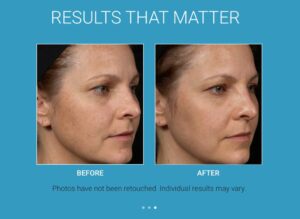
Chemical peels address pretty much every common skin issue except for severe sagging (that needs surgery or non-surgical tightening).
Sun damage: Fort Lauderdale’s year-round sunshine causes serious skin damage. Dark spots, rough texture, and premature aging all respond well to chemical peels.
Hyperpigmentation: Whether it’s melasma, age spots, or post-inflammatory hyperpigmentation from old acne, chemical peels can significantly lighten and even out your skin tone.
Acne and acne scars: Salicylic acid peels help clear active breakouts. TCA and VI Peels improve the appearance of acne scarring.
Fine lines and wrinkles: Peels stimulate collagen production, which plumps skin and reduces the appearance of fine lines.
Uneven skin tone: Peels remove surface pigmentation and promote even cell turnover.
Rough texture: The exfoliation smooths bumpy, rough skin.
Enlarged pores: Deep cleaning and exfoliation make pores appear smaller.
Dull complexion: Removing dead skin cells reveals the brighter skin underneath.
Most people can get chemical peels, but your skin type and concerns affect which peel is best for you.
You’re probably a good candidate if you:
Darker skin tones need special consideration. Chemical peels can cause hyperpigmentation (dark spots) or hypopigmentation (light spots) on darker skin if not done correctly.
We can safely treat darker skin, but we use specific peels (like mandelic acid or lower-strength VI Peels) and take a more conservative approach.
You shouldn’t get a chemical peel if you:
Be honest during your consultation. We need accurate information to keep you safe and get good results.
Here’s exactly what happens during your appointment.
Before Treatment:
We’ll cleanse your face thoroughly to remove all makeup, oils, and dirt. Clean skin ensures the peel penetrates evenly.
For deeper peels, we might apply a numbing cream to keep you comfortable.
During Treatment:
We apply the chemical solution to your face using a brush or gauze. You’ll feel tingling, warmth, or mild stinging. This is normal.
The solution stays on for a specific amount of time depending on the type of peel and your skin’s response. We monitor your skin carefully.
Some peels self-neutralize (they stop working on their own). Others need to be neutralized with water or a special solution.
With TCA peels, you might see “frosting” where your skin turns white. This is the acid working and is expected.
Treatment takes 15-45 minutes depending on the peel type.
After Treatment:
We’ll apply a moisturizer or healing ointment. Your skin will feel tight and might look red.
You’ll get detailed aftercare instructions to take home.

Let’s be real about what happens after your peel. The timeline varies by peel type, but here’s what most people experience.
Day 1-2: Skin feels tight and looks slightly red, like a mild sunburn.
Day 3-5: Light flaking or peeling, similar to dry skin. Nothing dramatic. You can cover it with makeup if needed.
Day 5-7: Peeling complete. Skin looks fresh and bright.
Day 1-2: Redness and tightness. Your skin might darken, especially pigmented areas.
Day 3: The fun begins. Your skin starts peeling, usually around your mouth and chin first.
Day 4-5: Active sheet peeling. Your skin comes off in larger pieces. Don’t pick at it (seriously, don’t). Let it come off naturally.
Day 6-7: Most peeling is done. You’re left with pink, new skin.
Day 7-14: Redness fades gradually. You can wear makeup to cover any remaining pinkness.
We don’t perform deep peels at our spa. They require significant downtime (2-3 weeks), carry higher risks, and need to be done by a physician in a surgical setting.
If you need a deep peel, we’ll refer you to an appropriate provider.
Taking care of your skin after a peel is just as important as the peel itself. Skip the aftercare, and you risk complications and poor results.
Keep your skin moisturized constantly. Use a thick, bland moisturizer (like Aquaphor or CeraVe Healing Ointment) multiple times per day. Your skin needs to stay hydrated to heal properly.
Don’t pick, pull, or peel your skin manually. Let it come off naturally. Pulling it off can cause scarring and pigmentation issues.
Avoid sun exposure completely. Your new skin is incredibly sensitive to UV damage. Stay indoors as much as possible during peak peeling.
Wear SPF 50+ sunscreen every single day once your skin has stopped peeling. Reapply every 2 hours if you’re outside.
Skip all active ingredients for at least 1-2 weeks. No retinol, acids, vitamin C, or exfoliants. Stick to gentle cleansers and moisturizers only.
Don’t exercise for 48 hours. Sweat can irritate healing skin.
Avoid swimming pools, hot tubs, and ocean water until all peeling is complete. Chlorine and salt water are irritating.
Sleep propped up on extra pillows for the first few nights if you have swelling.
Living in Fort Lauderdale makes sun avoidance tricky. This is why we often recommend scheduling peels in fall or winter, or planning them around times you’ll be indoors more.
Let’s set realistic expectations. Chemical peels give noticeable improvements, but they’re not miracles.
After one peel, you’ll see:
After a series of peels (usually 3-6 treatments), you’ll see:
What peels won’t do:
Results are progressive. Each peel builds on the last.
Maintenance peels every 1-3 months help preserve your results.
Here’s the thing about living in Fort Lauderdale: the sun is relentless. Year-round UV exposure, humidity, and salt water all affect your skin and your peel recovery.
Sun exposure is your biggest enemy after a chemical peel. The new skin has zero protection and will burn quickly. It can also develop dark spots if exposed to sun too soon.
Plan your peel around your lifestyle. If you’re at Fort Lauderdale Beach every weekend, schedule your peel when you can stay indoors for 1-2 weeks.
Best timing for chemical peels in Fort Lauderdale:
Avoid peels if you have:
The humidity actually helps with healing. Your skin won’t get as dry as it would in a drier climate. But you still need to moisturize constantly.
Pricing varies based on peel type and treatment area.
General price ranges:
Light peels (glycolic, salicylic): $100-200 per treatment
Medium peels (TCA, VI Peel): $250-450 per treatment
We often recommend packages of 3-6 treatments, which brings the per-treatment cost down.
During your consultation, we’ll give you exact pricing for your specific needs and discuss any current promotions or package deals.
Here’s what makes us different:
Medical Oversight: All treatments are performed under physician supervision. We’re a medical spa, not a day spa. You’re getting medical-grade treatments with proper safety protocols.
Multiple Peel Options: We carry various brands and formulations so we can customize your treatment. One type doesn’t work for everyone.
Experience with All Skin Types: We’ve safely treated all skin tones, including darker skin that many providers won’t treat. We know how to adjust protocols to minimize pigmentation risks.
Honest Assessments: We’ll tell you if a chemical peel isn’t the best option for your concern. Sometimes laser, microneedling, or a different treatment gives better results.
Fort Lauderdale Expertise: We understand the unique challenges of maintaining skin in South Florida’s climate. We give realistic advice about timing and sun protection.
Comprehensive Aftercare: You’ll get detailed written instructions, post-peel products, and access to our team if you have concerns during recovery.
Whether you’re coming from Las Olas, Victoria Park, Coral Ridge, or anywhere in Broward County, we’ll help you get clearer, healthier skin.
