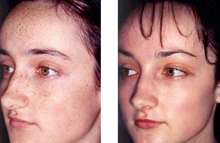
Here’s the thing about living in Miami Beach: your skin is under constant attack.
The sun here is relentless. You’re not just getting UV exposure during intentional beach days. You’re getting it walking to your car, sitting in outdoor cafes on Lincoln Road, running errands, driving with windows down. That daily exposure adds up fast.
Sun damage shows up as:
Humidity and heat make you sweat more, which can clog pores and lead to breakouts. The salt air from the ocean is great for many things, but it can dry out and irritate skin. Pool chlorine doesn’t help either.
Chemical peels address all of these concerns. They’re particularly effective for sun damage because they remove the damaged surface layers where most of the UV damage lives.
If you’ve been dealing with stubborn dark spots or rough texture that won’t budge with regular skincare products, a chemical peel can finally give you the improvement you’ve been looking for.
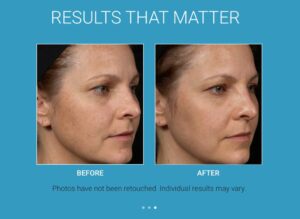
Not all chemical peels are the same. The depth and strength vary based on the acid used and its concentration. Here’s how to think about your options:
These peels only affect the outermost layer of skin (the epidermis). They’re sometimes called “lunchtime peels” because you can get one during your lunch break and go right back to work.
Common acids used: Glycolic acid, salicylic acid, lactic acid, mandelic acid
What they treat:
Downtime: Minimal to none. You might see some light flaking for a couple days, but nothing dramatic. Most people don’t even peel visibly.
How often: Can be done monthly for maintenance or as a series of 4-6 treatments for specific concerns.
Best for: People who want a refresh without downtime, or those new to chemical peels.
These go deeper, reaching the upper layers of the dermis. You’ll see more significant improvement, but you’ll also have more noticeable peeling.
Common acids used: TCA (trichloroacetic acid), Jessner’s solution, stronger glycolic formulations
What they treat:
Downtime: About 5-7 days. Your skin will peel noticeably, sometimes in sheets. You’ll want to plan around social events.
How often: Typically done as a series of 3-4 treatments spaced 4-6 weeks apart, or as individual treatments a few times a year.
Best for: People with moderate skin concerns who can handle a week of visible peeling.
These penetrate to the deeper layers of the dermis and produce the most dramatic results. They’re less common because the recovery is longer and more involved.
Common acids used: Phenol, high-concentration TCA
What they treat:
Downtime: 10-14 days or more. Your face will be red, swollen, and heavily peeling. This isn’t something you can hide.
How often: Usually a one-time treatment with results lasting years.
Best for: People with severe damage who want dramatic improvement and can commit to significant recovery time.
Most of our Miami Beach clients opt for light to medium peels. They give you noticeable results without requiring you to hide at home for two weeks.
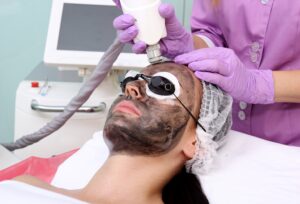
Beyond depth, different peel formulas target specific concerns. Here are some of the most effective options:
Glycolic acid is an alpha hydroxy acid (AHA) derived from sugar cane. It’s the smallest molecule of all the AHAs, which means it penetrates skin easily.
Great for: Overall skin brightening, fine lines, sun damage, and anti-aging. Works well on most skin types.
This beta hydroxy acid (BHA) is oil-soluble, which means it can penetrate into pores. It’s perfect for oily, acne-prone skin.
Great for: Active acne, blackheads, congested pores, and oily skin. Also helps reduce post-acne dark spots.
TCA (trichloroacetic acid) is a medium-depth peel that can be adjusted to different strengths. It’s one of the most versatile peel options.
Great for: Sun damage, deeper pigmentation, fine lines, uneven texture, and acne scarring.
This combination peel uses lactic acid, salicylic acid, and resorcinol. It’s effective but gentle enough for sensitive skin when used at lower concentrations.
Great for: Even skin tone, melasma, acne, and general skin rejuvenation.
This is a specific branded peel that combines TCA, phenol, salicylic acid, vitamin C, and tretinoin. It’s popular because it works on all skin types, including darker tones.
Great for: Pigmentation, melasma, acne, and anti-aging. Known for producing great results with manageable peeling.
During your consultation at Manhattan Laser Spa, we’ll recommend the specific peel that matches your skin type, concerns, and lifestyle.

Walking into your first chemical peel appointment can feel a bit nerve-wracking. Let’s break down exactly what happens so you know what to expect.
You’ll need to prep your skin for about 1-2 weeks before your peel. This makes the treatment more effective and reduces complications.
Pre-peel checklist:
You’ll be in a comfortable treatment room. The whole process takes about 30-45 minutes.
Step 1: Cleansing We thoroughly cleanse your face to remove all oils, makeup, and residue. Clean skin helps the peel penetrate evenly.
Step 2: Application Using a brush or cotton pad, we apply the chemical solution to your face. You might feel tingling, warmth, or mild stinging. It’s not comfortable, but it’s manageable. Think of it like a strong tingling sensation that lasts a few minutes.
The solution stays on your skin for a specific amount of time (usually 3-10 minutes depending on the peel strength). Your aesthetician monitors your skin’s response throughout.
Step 3: Neutralization (if needed) Some peels self-neutralize, meaning they stop working after a certain time. Others need to be washed off or neutralized with a special solution.
Step 4: Soothing We apply calming products and sunscreen to protect your freshly treated skin.
Right after your peel, your skin might be pink or red, similar to a mild sunburn. This is totally normal. The redness typically fades within a few hours for light peels, or lingers a day or two for deeper peels.
You can go about your day, but you’ll want to be gentle with your skin and avoid sun exposure.
People often worry about the peeling part. Let’s talk about what really happens so you’re not caught off guard.
Your skin might feel tight and look slightly pink. You probably won’t see any visible peeling yet. It might feel like you have a mild sunburn.
This is when the peeling typically starts. For light peels, you might just see some light flaking that’s barely noticeable. For medium peels, you’ll see more significant peeling, sometimes in patches or sheets.
Here’s what not to do: Don’t pick or peel the skin manually. I know it’s tempting, but pulling off the peeling skin can cause scarring, infection, or pigmentation issues. Let it come off naturally.
Most of the peeling should be done by now. Your new skin underneath will look pink and fresh. It might be a bit sensitive for another few days.
Not everyone peels dramatically, even with a chemical peel. Sometimes the skin sheds so gently that you barely notice it. This doesn’t mean the peel didn’t work. The cellular turnover is still happening, just more subtly.
Don’t expect your face to peel off in one satisfying sheet like those videos you’ve seen online. Everyone’s skin responds differently.
Post-peel care is crucial, especially in Miami Beach where the sun is always shining. Here’s how to take care of your skin during recovery:
Keep it simple. Use only gentle, fragrance-free products. Your skin is vulnerable right now.
Cleanse gently. Use a mild cleanser with lukewarm water. Pat your face dry, don’t rub.
Moisturize regularly. Apply a thick, healing moisturizer or ointment several times a day. Your skin needs extra hydration while it heals.
Avoid makeup if possible, especially for the first day or two.
Let the skin shed naturally. Resist the urge to pick or peel. Use your moisturizer to keep flaking skin looking less obvious.
Don’t exfoliate. No scrubs, no brushes, no exfoliating cleansers. Your skin is already exfoliating itself.
Keep moisturizing. Hydration helps the peeling process and keeps you comfortable.
Your new skin is extremely vulnerable to sun damage. In Miami Beach, this is a big deal.
Wear SPF 30 or higher every single day. Reapply every two hours.
Stay in the shade as much as possible for at least a week.
Wear a wide-brimmed hat when you’re outside.
Avoid direct sun exposure during peak hours (10am-4pm).
Seriously, if you don’t protect your skin from the sun after a chemical peel, you can end up with worse pigmentation than you started with. In Miami Beach’s intense sun, this is even more important.
No intense exercise for 24-48 hours. Sweating can irritate your healing skin.
Skip the pool and ocean for at least 3-5 days. Chlorine and salt water will irritate your skin.
No saunas, steam rooms, or hot tubs for at least a week.
Avoid other facial treatments until your skin is fully healed.
After your skin has finished peeling and looks normal again (usually 7-10 days), you can gradually reintroduce your regular products. Start with gentler products first and work your way back to actives like retinoids over the next couple weeks.
Let’s set realistic expectations. Chemical peels deliver great results, but they’re not magic.
You’ll notice:
You probably won’t see:
One peel gives you a nice refresh. Think of it as turning up the brightness on your skin.
This is where you see more significant improvement. Most people do a series of 4-6 peels spaced 3-4 weeks apart.
After completing a series, you’ll see:
Chemical peels don’t stop aging or prevent future sun damage. You’ll need maintenance treatments (usually 1-2 peels per year) and a good skincare routine to maintain your results.
The good news: your skin will continue to look better over the months following your peel series as collagen production ramps up.
Chemical peels are safe for most people, but there are some situations where you should wait or skip them entirely.
Don’t get a chemical peel if you:
Be cautious if you:
Always be honest with your aesthetician during your consultation. They need accurate information to keep you safe and give you the best results.
You’ve got options for improving your skin. How do chemical peels compare?
Microdermabrasion is a physical exfoliation that removes only the very surface layer of dead skin. It’s gentler but also less effective.
Chemical peels penetrate deeper and produce more dramatic results. If you have real skin concerns beyond just dullness, peels are usually the better choice.
Lasers target specific issues like pigmentation or texture using light energy. They can be more precise but often cost more and require more downtime.
Chemical peels work on multiple concerns at once and tend to be more affordable. Sometimes combining both treatments gives the best results.
Those drugstore peels aren’t even in the same category. Professional medical-grade peels use much higher concentrations of active ingredients.
At-home peels might give you a slight glow, but they won’t address real skin concerns. If you want actual results, you need professional-strength treatments.
You’ve got plenty of options for chemical peels in Miami Beach. Here’s why clients choose us:
Licensed medical aestheticians who actually know what they’re doing. They understand skin types, acid chemistry, and how to customize treatments for your specific needs.
Medical-grade solutions from reputable manufacturers. We use professional formulations that actually work, not watered-down versions.
Personalized treatment plans. Your skin is unique. We assess your specific concerns and create a plan that makes sense for you.
Miami Beach location. Easy to get to from South Beach, Mid-Beach, North Beach, and surrounding areas. Convenient for residents throughout Miami Beach.
Understanding of local climate. We know how Miami Beach’s intense sun affects skin and how that impacts your peel aftercare. Our recommendations account for the reality of living in South Florida.
Realistic expectations. We won’t promise you’ll look 20 years younger after one peel. We’ll tell you honestly what results you can expect.
Safe environment. Our facility meets medical spa standards for cleanliness and safety. Your treatment is performed in a sterile, professional setting.
