Here’s the thing: over-the-counter products work on the surface. Your scars exist in the dermis, the deeper layer of skin. That’s why no amount of expensive creams will fix structural damage.
To improve acne scars, you need treatments that:
That’s where medical treatments come in.
We use several advanced treatments at Manhattan Laser Spa. Most people get the best results from combination therapy, but we’ll get into that.
Microneedling uses tiny needles to create controlled micro-injuries in your skin. Sounds intense, but stay with me.
How it works: The needles trigger your body’s wound-healing response without causing actual wounds. Your skin responds by producing new collagen and elastin, which fills in depressed scars and improves texture.
Best for: Ice pick scars, rolling scars, textured skin, shallow to moderate scarring
What to expect:
Studies show microneedling performs as well as or better than some laser treatments for acne scars, with less downtime.
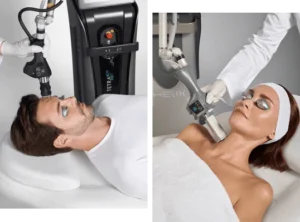
This takes regular microneedling up a notch by adding radiofrequency energy through the needles. The RF energy heats the deeper layers of skin, which creates even more collagen remodeling.
Best for: Deeper scars, skin tightening, stubborn scarring that hasn’t responded to other treatments
Popular RF devices:
What to expect:
Lasers create microscopic columns of heat in your skin, vaporizing damaged tissue while leaving surrounding skin intact. This kickstarts serious collagen production.
CO2 Fractional Laser: The most aggressive option. It removes outer layers of skin and deeply stimulates collagen. Best for severe scarring.
Erbium Laser: Gentler than CO2 but still effective. Better for moderate scarring or sensitive skin.
Non-Ablative Lasers: These don’t remove skin layers. They heat the dermis to trigger collagen production with minimal surface damage.
Best for: All scar types, especially boxcar scars and widespread textured scarring
What to expect:
This picosecond laser delivers ultra-short pulses that remodel skin without creating surface wounds. It’s gentler but still effective.
Best for: Shallow scars, post-inflammatory hyperpigmentation, all skin types including darker tones
What to expect:
If you have red or purple marks (PIE), VBeam targets the blood vessels causing the discoloration.
Best for: Post-inflammatory erythema, redness, visible blood vessels
What to expect:
For deep rolling or tethered scars, we use a special needle to break the fibrous bands pulling your skin down. Once released, the area fills with blood, which triggers collagen production.
Best for: Rolling scars, deep tethered scars
What to expect:
Hyaluronic acid fillers can temporarily plump depressed scars, making them less noticeable while other treatments work long-term.
Best for: Deep boxcar scars, immediate improvement needs
What to expect:
Medical-grade peels remove damaged surface layers and can improve shallow scars and pigmentation.
Best for: PIH, shallow texture issues, overall skin quality
What to expect:
Here’s what most places won’t tell you: one treatment rarely solves complex scarring.
Ice pick scars respond to different treatments than rolling scars. Texture issues need different solutions than pigmentation problems. That’s why the best results come from combining treatments.
Common effective combinations:
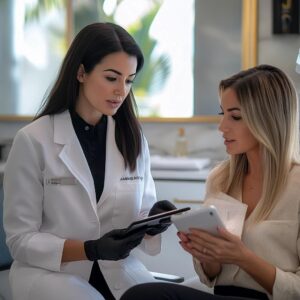
During your consultation, we’ll create a personalized plan that addresses your specific scar types.
Let’s be honest about expectations.
Mild scarring: 3-4 treatments over 4-6 months. You’ll see 50-70% improvement.
Moderate scarring: 5-7 treatments over 6-9 months. Expect 60-80% improvement.
Severe scarring: 8-12+ treatments over 12-18 months. You might see 50-70% improvement, which is still life-changing when scars are severe.
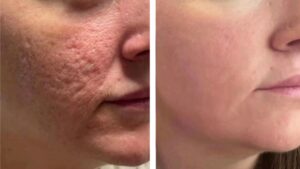
Complete removal? That’s rare. But significant improvement that makes scars barely noticeable? That’s absolutely achievable.
Results are gradual. Your skin needs time to produce new collagen. Most people notice improvement after 2-3 sessions, but results keep getting better for months after treatment ends.
Living in Miami Beach affects your treatment and healing in ways you might not expect.
This is huge. Treated skin is extremely vulnerable to UV damage. In Miami Beach, where sunshine is constant and you’re probably near the beach regularly, this becomes a major challenge.
What you need to do:
Ignoring this will cause hyperpigmentation that’s harder to fix than your scars.
Miami’s climate makes healing more uncomfortable. Your treated skin will be more sensitive to heat and sweat.
Tips:
Here’s a critical point: you can’t treat scars effectively if you’re still breaking out. Active acne creates new inflammation and new scars, which undermines your treatment.
Before we start scar treatment, your acne needs to be controlled for at least 2-3 months. We can help with this through medical-grade skincare, prescription treatments, or other interventions.
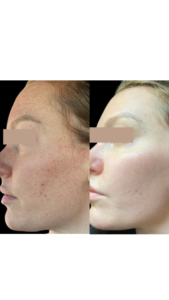
You might be a good candidate if you:
This is important. Some treatments carry higher risk for darker skin because they can trigger hyperpigmentation or hypopigmentation.
But you can still be treated safely.
The key is choosing the right treatments and using conservative settings. Options like PicoWay Resolve, certain non-ablative lasers, and carefully performed microneedling work well on darker skin.
During your consultation, we’ll assess your skin type (Fitzpatrick scale) and recommend the safest, most effective approach for your complexion.
We’ll examine your scars and discuss your concerns. This isn’t a sales pitch. It’s an honest assessment of what’s possible.
We’ll cover:
We’ll take photos to track your progress.
Get your acne under control. This might mean starting a skincare routine or prescription medication 2-3 months before scar treatment.
Avoid sun exposure. Start protecting your skin now.
Stop certain products. We’ll tell you when to stop retinoids, acids, and other actives before your appointment.
Prepare for downtime. Don’t schedule treatments right before important events.
Most treatments take 30-60 minutes. We use numbing cream for procedures like microneedling and lasers. You’ll feel some discomfort but nothing unbearable.
Your skin will be red immediately after treatment. This is normal.
Days 1-3: Redness, swelling, sensitivity. Your skin might feel tight or slightly sunburned.
Days 3-7: Possible flaking or peeling (especially with laser treatments). Don’t pick at your skin.
Days 7-14: Redness fades. You can usually wear makeup after a few days.
Weeks 2-8: This is when the real magic happens. Your body is producing new collagen and remodeling scar tissue.
You’ll wait 4-6 weeks between treatments. This gives your skin time to heal and produce collagen.
During this time:
Your at-home routine matters as much as the treatments themselves.
Immediately after (first week):
Ongoing maintenance:
We’ll recommend specific products based on your skin type and treatment plan.
Pricing varies based on treatment type and how many sessions you need.
Per session estimates:
Treatment series (estimated total):
Package deals available: Multi-session packages reduce per-treatment costs.
Financing options: We offer payment plans to spread the cost over time.
Free consultation: Always. We’ll give you an exact quote based on your specific scars.
Common and temporary:
Rare but possible:
Who shouldn’t get treatment:
Medical Supervision: Our treatments are performed by licensed medical professionals under physician oversight. This is medical treatment, not a beauty service.
Multiple Treatment Options: We don’t push one treatment for everyone. We use what works best for your specific scars.
Experience with All Skin Types: We’ve successfully treated patients from very fair to very dark skin, and we know how to adjust protocols for safety and results.
Realistic Approach: We won’t promise you perfect skin in 3 treatments. We’ll tell you the truth about what’s possible and how long it takes.
Combination Therapy: We understand that complex scarring needs multiple approaches, and we’re equipped to provide them.
Progress Tracking: Photos at every session so you can see your improvement.
Miami Beach Location: Convenient for residents of South Beach, Mid-Beach, North Beach, Bal Harbour, Surfside, and surrounding areas.
