Light Peels (Superficial)
These use mild acids like glycolic acid (10-30%), lactic acid, or low-strength salicylic acid. They only affect the outermost layer of skin (epidermis).
You’ll have light flaking for 2-3 days, like mild sunburn peeling. Most people can wear makeup the next day. Results are subtle: brighter skin, smoother texture, smaller-looking pores. You need multiple treatments (usually 4-6) to see significant improvement.
Light peels are good for maintenance, mild sun damage, and dull skin. They’re the “gateway” peel. Low commitment, low risk, decent results.
Medium Peels
These use stronger acids like TCA (trichloroacetic acid at 20-35%) or combination formulations like Jessner’s solution or VI Peel. They penetrate into the upper dermis (the second layer of skin).
Your face will peel significantly for 5-7 days. We’re talking visible sheets of skin coming off. You can’t hide this with makeup. You’ll look weird. Plan to stay home or work remotely.
But the results are worth it: dramatic improvement in sun damage, hyperpigmentation, fine lines, and acne scarring. One medium peel can give you results that would take 6-8 light peels to achieve.
Deep Peels
These use high-strength TCA (over 50%) or phenol. They reach the mid-dermis and cause significant injury that takes weeks to heal.
We rarely do deep peels because the risks are high and the recovery is intense (10-14 days of looking pretty rough, followed by months of pinkness). They’re typically only for severe sun damage or deep wrinkles, and they’re not safe for darker skin types.
Most people get the best results from medium peels or a series of light peels.
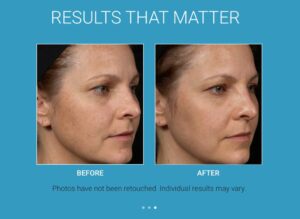
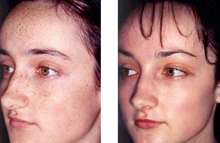
Sun damage is huge in Dania Beach. If you’ve got brown spots, uneven tone, or that leathery texture from years of beach life, chemical peels help a lot. The acids break up excess melanin and remove sun-damaged cells.
Acne and acne scarring respond well to peels, especially salicylic acid peels. The acid penetrates into pores, clears out oil and bacteria, and helps smooth out shallow scarring over multiple treatments.
Fine lines and wrinkles improve because peels stimulate collagen production as your skin heals. Medium peels give the best anti-aging results.
Hyperpigmentation and melasma (those stubborn dark patches that won’t go away) often need a series of peels combined with prescription lightening products. It’s a process, not a one-time fix.
Rough texture and large pores improve dramatically. The exfoliation smooths your skin surface, and the tightening effect makes pores look smaller.
What peels don’t fix: Deep wrinkles from muscle movement (like forehead lines or crow’s feet), loose skin, or volume loss. For those, you need Botox, fillers, or more aggressive procedures.
Consultation First
We need to assess your skin type using the Fitzpatrick scale. This matters because darker skin types (IV-VI) have a higher risk of post-inflammatory hyperpigmentation. We’ll be more conservative with peel strength if you have darker skin.
We’ll also check your medical history. If you’ve taken Accutane in the past year, you can’t get a chemical peel. If you get cold sores, you’ll need antiviral medication before treatment to prevent an outbreak.
Pre-Treatment Prep (2-4 Weeks)
You’ll need to prep your skin with specific products. Usually retinoids and sometimes hydroquinone. This primes your skin for better results and reduces complication risk.
You must avoid sun exposure. This is non-negotiable. If you go to the beach and get tan, we’re canceling your appointment. Tanned skin + chemical peel = disaster (think: permanent pigmentation problems).
During Treatment
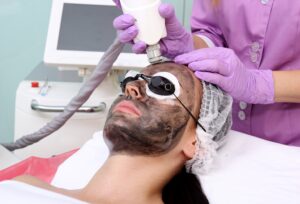
We’ll clean your skin thoroughly, then apply the peel solution with a brush or cotton applicator. You’ll feel tingling, warmth, or burning depending on the peel strength. It’s uncomfortable but tolerable. Most treatments take 15-30 minutes.
For TCA peels, you’ll see white “frosting” appear on your skin as the acid works. That’s normal. It looks alarming but it’s just the protein in your skin coagulating.
We may neutralize the peel after a specific time, or you might go home with it still working (depends on the type of peel).
The Peeling Phase: Reality Check
Here’s what happens over the next week. This is the part most places gloss over, but you need to know:
Days 1-2: Your skin looks red and feels tight, like a sunburn. You might have some swelling. You can’t wash your face for the first 6-12 hours with some peels.
Days 3-4: Your skin starts to darken and feel thick. This is when peeling begins. It usually starts around your mouth and spreads outward.
Days 5-7: Active peeling. Your skin literally sheds in sheets. It’s not subtle. Don’t pick at it. Let it come off naturally or you risk scarring.
Days 8-10: Peeling is mostly done. You’ve got new pink skin that’s sensitive and needs protection.
You cannot work client-facing jobs during the peeling phase. You cannot attend events. You will not look presentable. Anyone who says medium peels have “minimal downtime” is lying to you.
This is why timing matters. Schedule your peel when you can actually recover without social or professional consequences.
Sun protection is absolutely critical. Your new skin is extremely vulnerable to UV damage. If you don’t protect it properly, you’ll end up with worse pigmentation than you started with. SPF 50+ physical sunscreen, reapplied every 2 hours. Hats. Shade. No exceptions.
This is particularly important in Dania Beach. You live near the beach. You’re outdoors a lot. But you cannot go to John U. Lloyd Beach State Park during recovery. You cannot walk around Dania Pointe at midday. The sun will destroy your results.
Moisturize constantly. Your skin will be dry and tight. Use the healing ointment or cream we provide. Apply it multiple times a day.
No picking, pulling, or forcing the peel. Let your skin shed naturally. Forcing it causes scarring.
Avoid heat. No hot showers, saunas, or intense exercise for the first week. Heat increases swelling and irritation.
Wait to resume active skincare. No retinoids, acids, or exfoliants for 2 weeks minimum. Your skin needs time to rebuild its barrier.

You’ll see immediate glow after the peeling is done and your new skin is revealed. But the real improvements continue for weeks as collagen production ramps up.
Light peels: Results last 2-4 weeks. You need ongoing treatments (monthly or every 6 weeks) for cumulative benefits.
Medium peels: Results last 3-6 months. Most people do 1-2 treatments per year.
Why multiple treatments help: Each peel builds on the previous one. Your skin quality improves cumulatively. Pigmentation fades more with each session. Texture gets smoother.
But here’s the catch: if you don’t protect your skin from the sun after treatment, you’ll undo your results quickly. This isn’t a one-and-done situation where you can go back to your old habits.
Sun exposure is your biggest challenge. You can’t avoid the sun completely, but you need to be smart about timing.
Fall and winter are ideal for chemical peels. Lower UV index, cooler weather, easier to cover up. Summer is risky because you can’t avoid sun exposure as easily, and you’re probably planning beach trips.
Plan around events. Got a wedding at Dania Beach Pier? Don’t schedule a peel 2 weeks before. You need at least 3-4 weeks for medium peels to be fully healed and looking great.
Saltwater and chlorine are off-limits during recovery. If you swim regularly, plan your peels during times when you can stay out of the water.
Humidity actually helps. One benefit of living in Florida is the humidity keeps your healing skin from getting too dry. Silver lining.
Be honest about these factors. They matter.
Pregnant or breastfeeding? Wait until after. The acids can potentially be absorbed systemically, and we don’t know if they’re safe for babies.
Recent Accutane use? You need to wait at least 6 months, ideally a year. Accutane thins your skin and impairs healing. Chemical peels on Accutane-treated skin can cause severe scarring.
Active infections or cold sores? The peel will spread the infection. Wait until it clears, or take antiviral medication first.
Keloid scarring history? You’re at high risk of abnormal scarring from peels. Not worth the risk.
Very dark skin (Fitzpatrick V-VI)? You need to be extremely careful. Medium and deep peels carry high risk of permanent hypopigmentation (light spots). We’ll be very conservative with peel selection.
Unrealistic expectations? If you think one peel will completely remove deep wrinkles or decades of sun damage, it won’t. Be realistic.
Let’s talk numbers because you deserve to know what you’re getting into financially.
Light peels: $150-250 per treatment. You’ll need 4-6 for significant results, so $600-1,500 total.
Medium peels (VI Peel, TCA, Jessner’s): $300-500 per treatment. Most people do 1-2 per year, so $300-1,000 annually for maintenance.
Deep peels: $800-1,500. Usually one-time treatment.
We offer package pricing that reduces the per-treatment cost if you buy a series upfront. During your consultation, we’ll give you exact pricing based on your specific needs.
Manhattan Laser Spa is conveniently located to serve residents throughout Dania Beach and the surrounding communities. Whether you’re coming from the Marina District, near Fort Lauderdale-Hollywood International Airport, or anywhere along Federal Highway, we’re easy to reach.
We also welcome clients from Hollywood, Fort Lauderdale, Hallandale Beach, and throughout Broward County.
We’re a medical spa with actual medical oversight. Chemical peels can cause complications if not done properly. We take safety seriously.
Our practitioners are trained in proper peel application and complication management. We know how to assess skin types and select appropriate peel strengths.
We’re honest about downtime and risks. If we don’t think you’re a good candidate, we’ll tell you. We’d rather lose a sale than give you bad results.
We understand Florida skin. Sun damage is our specialty. We see it every day and know how to treat it effectively.
