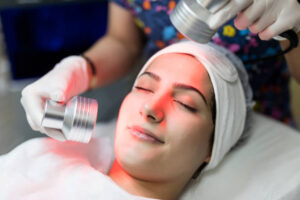
 Types of Laser Resurfacing We Offer
Not all laser treatments are the same. At our North Miami Beach medical spa, we customize your treatment based on your skin type, concerns, and goals.
Fractional CO2 Laser Resurfacing
This is our most powerful option for dramatic results. CO2 laser resurfacing works on deeper skin layers to treat significant sun damage, deep wrinkles, and severe acne scarring. The fractional approach means the laser treats only a fraction of your skin at a time, which speeds healing and reduces downtime compared to older CO2 lasers.
Best for: Deep wrinkles, pronounced acne scars, significant photoaging, rough skin texture
Erbium YAG Laser Resurfacing
This gentler option removes surface-level skin with less heat than CO2 lasers. It’s perfect if you have moderate skin concerns and want good results with shorter recovery time. Many of our patients from Bal Harbour and Golden Beach choose erbium laser treatments for this reason.
Best for: Fine lines, mild to moderate wrinkles, age spots, superficial scars, uneven pigmentation
Non-Ablative Laser Therapy
These lasers heat the underlying skin tissue without removing the top layer. There’s virtually no downtime, though you’ll need multiple sessions to see results. It’s a great option if you can’t take time off work or have an event coming up.
Best for: Mild wrinkles, skin tightening, collagen stimulation, minimal downtime needed
Laser skin resurfacing isn’t just for one problem. It addresses multiple skin issues at once, which is why so many patients choose it over other treatments.
Acne Scars
If you’ve struggled with acne, you know how frustrating the scars can be. Fractional laser treatment breaks down scar tissue and stimulates new collagen growth, which fills in depressed scars and smooths your skin’s surface. We’ve seen remarkable improvements in patients who thought their acne scars were permanent.
Wrinkles and Fine Lines
Crow’s feet, forehead lines, and smile lines happen to everyone eventually. Laser resurfacing triggers collagen remodeling, which plumps the skin from within and smooths those lines. The results look natural because you’re using your own body’s healing process.
Sun Damage and Age Spots
Living near the beach in North Miami Beach means beautiful sunsets at Oleta River State Park, but it also means UV damage. Laser treatment removes the damaged outer layer of skin where age spots (solar lentigines) live, revealing fresh, evenly toned skin underneath.
Hyperpigmentation and Melasma
Uneven skin tone and dark patches can be stubborn. Laser energy targets excess melanin while promoting even skin cell regeneration. Many of our patients from Miami Gardens and Ives Estates have seen their melasma dramatically improve after treatment.
Enlarged Pores and Rough Texture
If your skin feels rough or your pores look large, laser resurfacing helps by tightening the skin and improving overall texture. The thermal energy delivery stimulates your skin to produce smoother, more refined surface cells.
Surgical Scars
Whether from previous surgery or injury, scars can make you self-conscious. Laser treatment softens scar tissue and helps it blend better with surrounding skin.
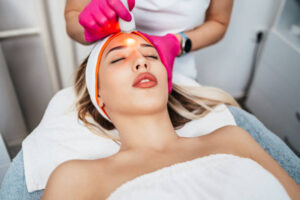 What to Expect: The Treatment Process
Let’s walk through what actually happens when you come to Manhattan Laser Spa for laser skin resurfacing.
Your Consultation
First, we’ll meet with you to discuss your concerns and goals. This isn’t a sales pitch. We’ll examine your skin, review your medical history, and perform a skin type assessment using the Fitzpatrick Scale. This matters because different skin types respond differently to laser treatment.
We’ll explain which laser option makes the most sense for you, how many sessions you’ll need, what kind of results to expect, and what the recovery will be like. You’ll get honest answers, not overpromises.
Before Your Treatment
About two weeks before your appointment, we’ll give you specific pre-treatment instructions. This usually includes avoiding sun exposure, stopping certain skincare products like retinoids, and staying well-hydrated. Following these guidelines helps ensure the best results and reduces the risk of complications.
During the Procedure
On treatment day, we’ll thoroughly cleanse your skin and apply a topical anesthetic to minimize discomfort. Most patients describe the sensation as a warm, prickling feeling rather than pain.
The actual laser treatment typically takes 30 to 90 minutes, depending on the size of the treatment area and the depth of resurfacing. You’ll feel the laser working, but the numbing cream makes it tolerable. We also use post-treatment cooling to keep you comfortable.
After Your Session
Right after treatment, your skin will look red and feel warm, similar to a sunburn. This is completely normal. We’ll apply healing ointments and give you detailed aftercare instructions.
Here’s the real talk about recovery because this matters when planning your treatment.
Ablative Laser Recovery (CO2 and Erbium)
Expect 7 to 14 days of downtime. Your skin will be red, swollen, and may ooze or crust over the first few days. You’ll need to stay home and follow a strict skincare routine with medical-grade products.
By day 5 to 7, the peeling starts. By day 10 to 14, most patients can return to work and normal activities, though you’ll still have some redness for several weeks. This part isn’t glamorous, but the results are worth it.
Non-Ablative Recovery
Minimal to no downtime. You might have slight redness for a day or two, but most patients return to work immediately. The trade-off is that you’ll need multiple sessions (usually 3 to 5) to see significant results.
Aftercare Essentials
Recovery success depends on how well you care for your skin afterward. Here’s what you’ll need to do:
Keep your skin moisturized with healing ointments and medical-grade skincare products. Avoid direct sun exposure and wear SPF 50+ sunscreen every single day (even indoors). Don’t pick at peeling skin or scabs. Avoid makeup until your provider says it’s okay, usually after 7 to 10 days for ablative treatments. Stay hydrated and sleep with your head elevated to reduce swelling.
Most patients from Sunny Isles Beach and Aventura schedule their treatments during winter months to avoid the intense Florida summer sun during recovery.
 Results: When Will You See Them?
This depends on the type of laser treatment you receive.
With ablative lasers like CO2 and erbium, you’ll start seeing improvements once the initial redness fades, usually around 2 to 3 weeks. But your skin continues improving for months as new collagen forms. Most patients see their best results at 3 to 6 months post-treatment.
With non-ablative treatments, results appear gradually over several weeks to months as collagen production increases. You’ll need multiple sessions spaced 4 to 6 weeks apart.
The results can last several years, especially if you protect your skin from sun damage and maintain good skincare habits. Some patients choose to do maintenance treatments every 1 to 2 years to keep their results looking fresh.
Laser resurfacing works for most people, but it’s not for everyone. You might be a good candidate if you have noticeable wrinkles, fine lines, or crow’s feet, acne scars or other types of scarring, sun damage, age spots, or uneven pigmentation, rough or dull skin texture, and mild to moderate skin laxity.
You might not be a candidate if you have active skin infections or acne breakouts, certain autoimmune disorders, a history of keloid scarring, very dark skin (depending on the laser type), or recent use of isotretinoin (Accutane) within the past 6 to 12 months.
During your consultation at our North Miami Beach location, we’ll determine if you’re a good candidate and discuss alternative treatments if laser resurfacing isn’t the best fit.
Look, there are plenty of places offering laser treatments in Miami-Dade County. Here’s why patients from Ojus, Miami Shores, and beyond choose us.
We’re a medical spa with licensed medical professionals overseeing every treatment. This isn’t a quick training course situation. Our team includes board-certified physicians, registered nurses, and licensed medical aestheticians with advanced laser training.
We use FDA-approved laser technology and follow strict safety protocols. Our facility maintains medical-grade standards, not day spa standards.
Every treatment plan is customized based on your unique skin type, concerns, and goals. We don’t use a one-size-fits-all approach because that doesn’t work.
We’re transparent about what to expect, including the uncomfortable parts like downtime and recovery. You’ll get honest answers about whether laser resurfacing is your best option or if something else might work better.
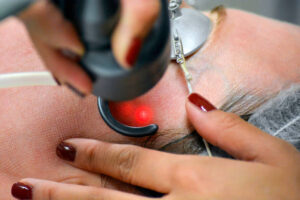 Combining Treatments for Better Results
Sometimes laser resurfacing works even better when combined with other treatments. Here’s what we often recommend.
Microneedling can enhance collagen production between laser sessions. Many patients alternate between laser resurfacing and microneedling treatments for comprehensive skin renewal.
Chemical peels work well for maintaining results after your laser treatment has healed. They keep your skin looking fresh between sessions.
IPL photofacial treatments can target specific pigmentation issues that remain after laser resurfacing, especially for treating sun damage.
We’ll discuss combination approaches during your consultation if they make sense for your goals.
Laser skin resurfacing is an investment in your appearance and confidence. Pricing varies based on treatment type, the size of the area treated, and how many sessions you need.
Generally, ablative laser treatments (CO2 and erbium) cost more per session but require fewer treatments. Non-ablative treatments cost less per session but you’ll need multiple appointments.
During your consultation, we’ll provide transparent pricing based on your customized treatment plan. We also offer flexible financing options to make treatment more accessible.
