Melasma During Pregnancy: What Actually Helps Now (and Why We Won't Start Laser Yet)
If your skin darkened during pregnancy, you didn’t do anything wrong
Some people call it chloasma. Most people call it the mask of pregnancy — patches of darker skin on the face triggered by hormonal changes during pregnancy. It’s not something you caused. You didn’t overexpose yourself to the sun or skip a skincare step. Your skin reacted to pregnancy hormones. That’s it.
The honest answer: this isn’t the moment to start PicoWay
We don’t treat melasma with laser during pregnancy. That’s the honest answer, and we’d rather say it now than have you find out three sessions in that something’s off.
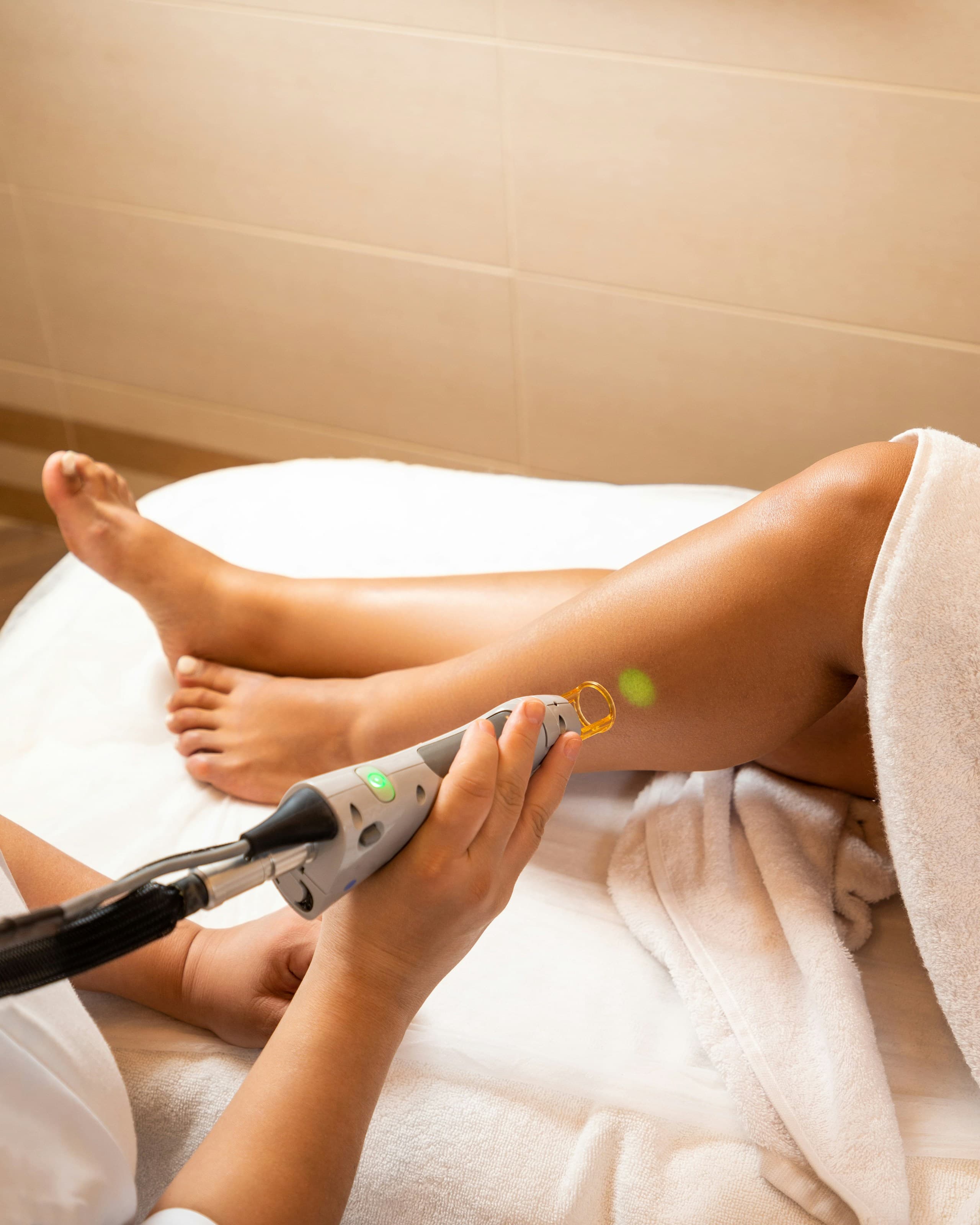
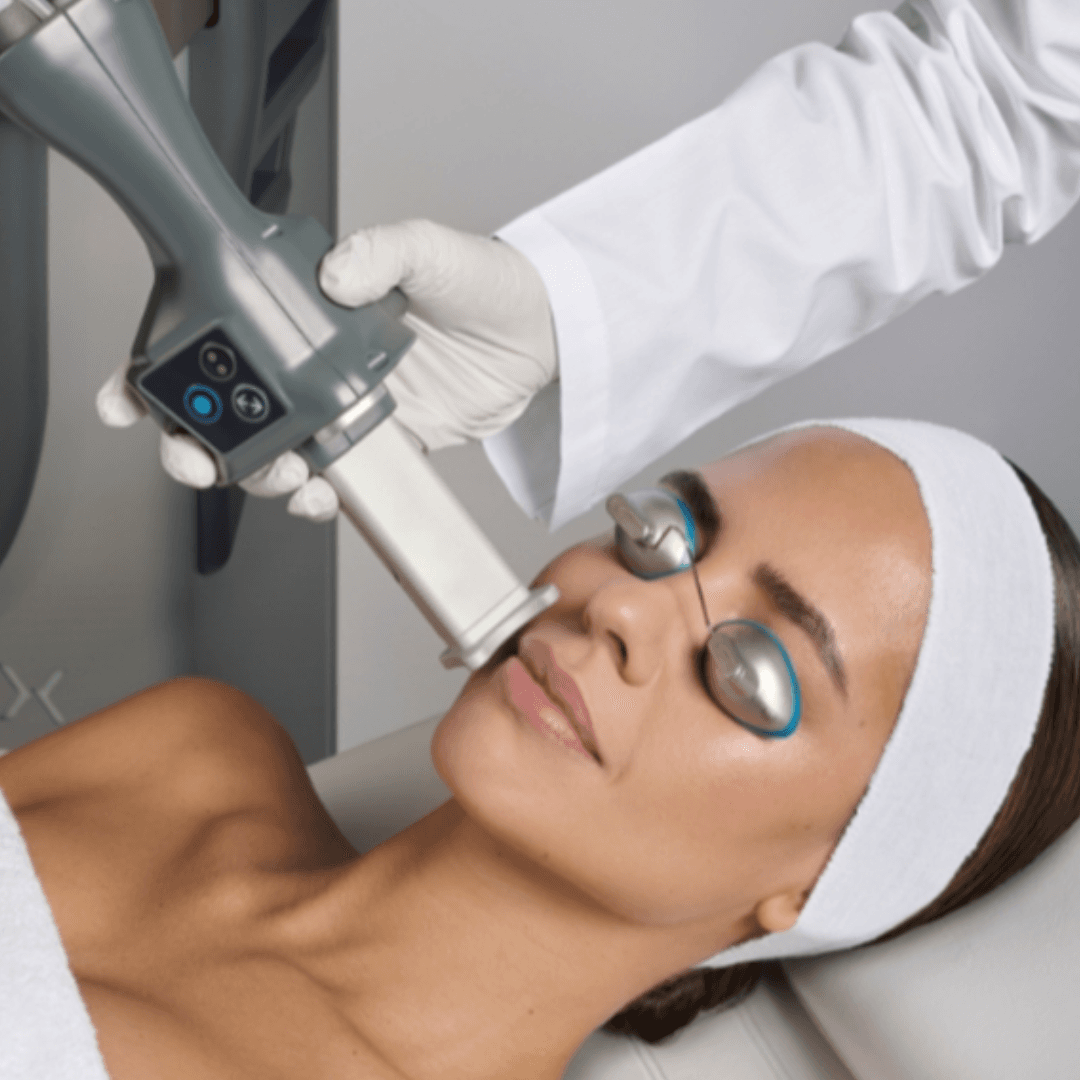
Once you’re cleared to start treatment, our melasma protocol uses the Candela PicoWay — a picosecond laser that breaks down pigment with pressure waves instead of heat. More on that below. For now, the laser stays off the table. Talk to your OB about timing — that conversation matters more than anything an article can tell you.
What’s actually safe and useful right now: sun protection
Mineral or tinted SPF 50+, reapplied through the day, not applied once in the morning and forgotten. That’s the one thing worth doing today. It won’t undo pigment that’s already there, but consistent, reapplied SPF 50+ keeps things from getting worse while you wait. In South Florida, that’s a year-round habit, not a summer one.
Ask your OB before starting hydroquinone, tretinoin, or anything else
Our standard melasma protocol pairs PicoWay sessions with prescription topicals — hydroquinone (typically 4%), tretinoin, kojic acid, azelaic acid, and tranexamic acid. Those are the tools that actually work once you’re cleared to use them. They’re not tools to pick up on your own during pregnancy or while breastfeeding.
Ask your OB first.
Once you’re cleared: what the PicoWay protocol actually looks like
The Candela PicoWay uses picosecond pulses that break down pigment with pressure waves instead of heat — that’s the reason it’s our answer for melasma instead of a heat-based device. If a clinic offers you IPL for melasma, book somewhere else. Heat-based treatments are a common reason melasma comes back worse than it started — rebound hyperpigmentation, not improvement.
The typical protocol runs 3 to 6 sessions, spaced 4 to 6 weeks apart, combined with sun protection and the topical routine your OB has cleared. After that, maintenance sessions every 6 to 12 months keep it under control long-term.
Managed, not cured
Melasma is a chronic condition. It’s managed, not cured — pregnancy or not. Maintenance sessions exist because pigment can come back, not because the first round failed.
When you’re ready: start with a free consultation and skin-type assessment
Once you’re cleared, the next step is a free consultation and Fitzpatrick skin-type assessment. We use that visit to look at your specific pigment pattern and skin type before building anything. If you’re not there yet, that’s fine too — reach out when your OB gives the go-ahead.
Location
Manhattan Laser Spa — Sunny Isles Beach, FL