Jawline Filler in Miami: What It Actually Builds, and the One Variable No Price List Mentions
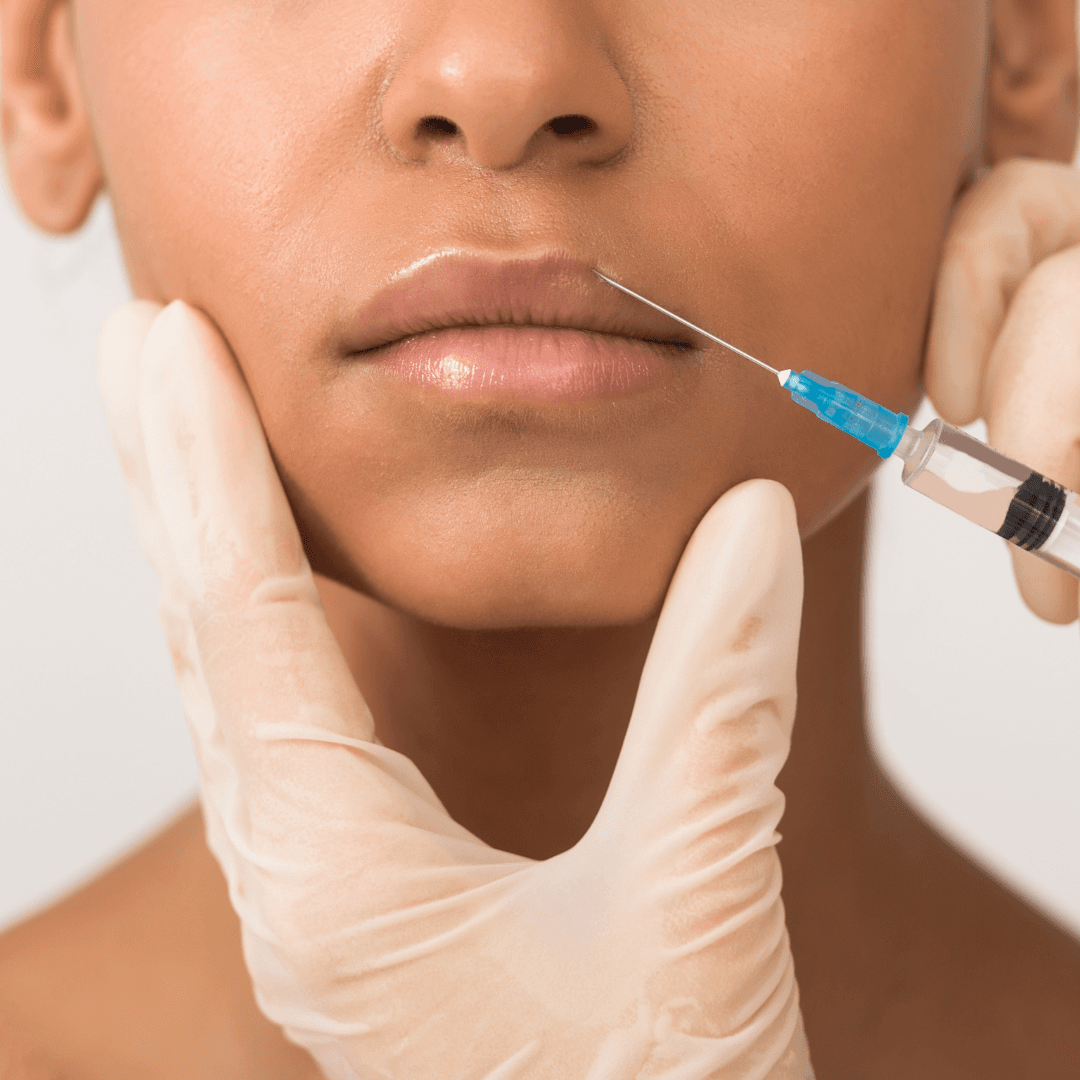
Filler along the jaw won’t file down bone. It won’t tighten skin the way a surgeon’s scalpel does. What it does is add volume in specific spots along the mandible so the transition from ear to chin reads as one continuous line instead of a soft, undefined edge. If someone’s picturing the kind of change a jaw implant produces, filler isn’t that procedure, and we’d rather say so before a consultation than after.
Dermal fillers here cover the jawline the same way they cover lips, cheeks, tear troughs, nasolabial folds, marionette lines, and chin: injectable volume placed to do work that structure would otherwise have to do on its own. For a jaw that’s lost definition from soft tissue changes, filler rebuilds the edge. For a jaw that never had strong bone structure, filler can approximate one. Approximate.
The Products for Chin and Jawline
We work with three products for jaw structure, and price lists that treat them as interchangeable are missing something.
Juvederm Voluma XC is a hyaluronic acid (HA) filler built for structure, not softness. It’s part of the same Juvederm family we use elsewhere on the face, but along the jaw its job is to hold shape rather than fill fine lines. Restylane Lyft does similar work from a different HA formulation — built for structural lift, not surface smoothing.
Radiesse is a different category. It’s calcium hydroxylapatite, not hyaluronic acid. That distinction matters for one reason in particular: what happens if something needs correcting later.
You can read more about how the HA options in these two families differ from each other on our Restylane vs. Juvederm breakdown — both families are HA, but formulation changes how the product moves and how long it sits in a given area.
The Injector Matters More Than the Product Name
We’ve said this about lips and cheeks, and it’s just as true along the jaw: two injectors using the exact same syringe of the exact same product can produce completely different results. That’s not marketing — it’s the reality of a technique-dependent procedure.
Florida law requires filler to be injected by a licensed medical professional — an MD, an ARNP, a PA, or an RN under physician supervision. A license tells you someone is legally permitted to hold the needle. It doesn’t tell you how many jawlines they’ve actually mapped.
So the question worth asking in a consultation isn’t “which brand are you using.” It’s how much jawline-specific work the injector has done. A syringe of Voluma in skilled hands and the same syringe in inexperienced hands are not the same treatment, even though the invoice looks identical.
Overfilling the Jaw
Overfilling is the number-one reason filler looks bad. We’ve written about this in more detail in our piece on overfilled lips, and the jaw has its own version of the problem.
Overfilled lips read as soft or puffy. Not great, but not alarming. An overfilled jawline reads as heavy — too much product along a linear structure doesn’t sharpen the line, it widens it. The whole point of jawline filler is a clean transition from ear to chin. Push past what that transition needs and you’ve built a shelf, not an edge. Restraint.
Why a Cheap Jawline Deal Is a Worse Bet Here
We’ve warned before that filler priced well below market — the $299 Groupon type of deal — carries real risk: counterfeit product, undertrained injectors, product diluted to stretch a syringe further than it should go. That risk doesn’t disappear because the treatment area moved from lips to jaw.
With HA fillers, if something goes wrong — a lump, an uneven pocket, even early signs of vascular occlusion, where filler compresses or blocks a blood vessel — there’s a reversal tool. Hyaluronidase dissolves HA product. It’s not a pleasant process, but it exists, and it’s part of why HA fillers are the more forgiving choice for someone new to structural work.
Radiesse doesn’t have that option. Because it isn’t hyaluronic acid, hyaluronidase doesn’t touch it. If a non-HA filler goes in wrong, there’s no injectable undo button. That’s exactly the product where experience matters most, not the one to hand to whoever’s cheapest that week. Read more about the range of options on our dermal fillers page.
Duration
Filler is temporary. Nobody should walk out of a jawline appointment thinking the change is permanent, no matter which product went in. HA options like Voluma XC and Lyft break down gradually through the body’s normal processes. We’re not going to hand you a specific month count and call it a guarantee — anyone who gives you an exact “lasts 14 months, no more no less” timeline is offering more precision than the biology supports.
What Happens in a Consultation
Every jawline consultation starts free. We look at your actual anatomy, not a stock photo of somebody else’s jaw, before recommending anything. If filler isn’t the right tool for what you’re trying to fix, we’ll tell you that instead of taking the appointment anyway. After treatment, we schedule a two-week follow-up check-in, because swelling settles and the real result isn’t visible on day one.
No upsells. No “unlimited plan” pricing. We accept Affirm and Klarna for financing, along with Visa and Mastercard, because structural filler work is a real cost and we’d rather make it manageable than pretend it’s cheap.
You won’t find a jawline price listed on this page. The right plan depends on how much correction your jaw actually needs, which product fits your anatomy, and how many syringes that takes. We’re not going to publish a number that doesn’t reflect your actual face. That’s what the free consultation is for.
Ask about the injector’s experience before you ask about the brand. The syringe box tells you less than the hands holding it.
Location
Manhattan Laser Spa — Sunny Isles Beach, FL