Melasma Treatment in Miami: Why Most Approaches Make It Worse
Melasma is one of the most misunderstood skin conditions we treat. Clients come in having tried everything — three chemical peels, an IPL series that seemed to help for six weeks before it came back darker, a $400 brightening serum, prescription hydroquinone that stopped working, and finally, out of frustration, "the strongest laser" some clinic in Miami could point at their face.
Often that last step is why the melasma is worse than when they started.
Here's what melasma actually is, why most treatments make it come back worse, and what we do differently at Manhattan Laser Spa to actually get long-term improvement.
What Melasma Is (And Why It's Hard)
Melasma is a chronic pigmentation condition — usually appearing as symmetric brown or gray-brown patches on the cheeks, forehead, upper lip, or chin. It's triggered by a combination of hormones (estrogen and progesterone, which is why it commonly shows up during pregnancy or on birth control), sun exposure, and heat.
Here's the frustrating part: the melanocytes (pigment-producing cells) in melasma-affected skin are hyperactive and responsive to inflammation. That means any treatment that causes inflammation can make melasma darker instead of lighter.
That includes:
- Heat-based lasers (IPL, older Q-switched systems, most fractional lasers)
- Aggressive chemical peels
- Overuse of high-strength exfoliants or retinoids
- Even prolonged rubbing or scrubbing
This is why clients often come in worse after "trying everything." The treatments themselves triggered rebound hyperpigmentation.
Why PicoWay Is Different
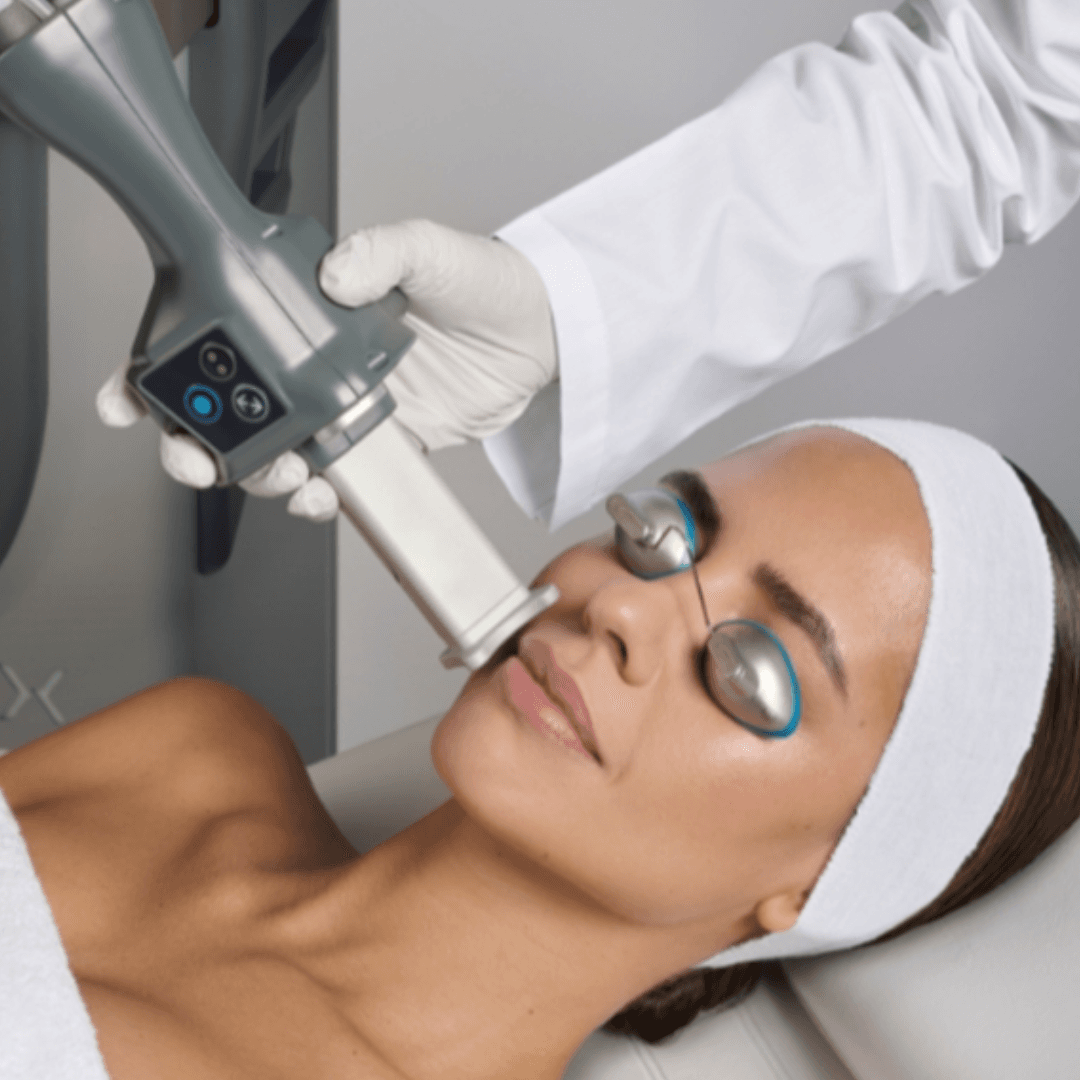
The Candela PicoWay is one of the very few lasers we recommend for melasma, for a specific reason: it delivers energy in picosecond pulses (a trillionth of a second) rather than the nanosecond pulses of older Q-switched lasers.
What that means in practice: PicoWay shatters pigment using pressure waves rather than heat. Older lasers work by heating and destroying pigment, which is exactly the mechanism that inflames melasma-prone skin and causes the rebound darkening.
PicoWay's shorter, cooler pulses target melanin without the thermal damage that triggers new pigment production. Combined with the right supporting protocol (topicals + strict sun protection), it's the closest thing available to a genuinely effective melasma laser treatment.
The Complete Melasma Protocol We Use
Melasma isn't cured by any single treatment. It's managed by a combination approach where the laser is one piece.
1. Sun protection — the non-negotiable
UV and visible light are the single biggest triggers for melasma. If you don't protect your face aggressively every single day, no treatment will hold. That means:
- Mineral SPF 50+ (zinc oxide) every morning, reapplied every 2 hours if you're outside
- A wide-brimmed hat when you're outdoors for more than 10 minutes in Florida sun
- Tinted SPF preferred — the iron oxide in tinted sunscreens blocks visible light, which chemical SPF alone doesn't
Sun protection accounts for about 50% of long-term success with melasma. If you're not committing to it, no in-office treatment is worth the money.
2. Prescription topicals
We start most clients on some combination of:
- Hydroquinone (typically 4%) for the initial reduction, cycled to prevent tolerance
- Tretinoin to accelerate cell turnover
- Kojic acid, azelaic acid, or tranexamic acid as long-term maintenance
Topicals do most of the sustained work. Laser is best thought of as accelerating what topicals + sun protection are already doing.
3. PicoWay laser sessions
Once you're stable on topicals and consistent with sun protection, PicoWay sessions accelerate clearance. We typically do 3 to 6 sessions spaced 4 to 6 weeks apart. Sessions are quick, comfortable, and have no real downtime — you may look slightly pink for a few hours afterward.
4. Maintenance
Because melasma is chronic, once you've cleared it you'll need ongoing maintenance — usually one PicoWay session every 6 to 12 months plus consistent topicals and sun protection. Skipping maintenance is the most common reason melasma returns years later.
Realistic Expectations
Melasma responds unevenly. Some clients see 70–90% clearance within 4 to 6 months of consistent protocol. Others clear more slowly. A small percentage see stubborn residual pigment that doesn't fully resolve.
What we'll tell you at your consultation:
- How your melasma is likely to respond based on its type (epidermal, dermal, or mixed)
- A realistic session count for your case
- What your daily home routine needs to look like
- Whether it's worth doing at all — some cases of dermal or mixed melasma respond so poorly that we'd rather set that expectation upfront than take your money
What Makes Melasma Worse (Do NOT Do These)
- IPL treatment. IPL uses broad-spectrum heat and is one of the most common causes of melasma flare. If a clinic offers you IPL for melasma, book somewhere else.
- Aggressive chemical peels. Deep peels can inflame melasma. Superficial peels (lactic, mild glycolic) can be part of a protocol but only when carefully staged.
- Fractional resurfacing lasers. Fraxel and CO2 fractional lasers cause enough thermal damage to reliably worsen melasma in most patients.
- Waxing or aggressive dermaplaning in melasma-affected areas.
- Skipping SPF for even a few days. A single beach day can undo months of progress.
Cost
PicoWay pigmentation sessions at Manhattan Laser Spa are priced individually — see our PicoWay pricing page or book a consultation for a personalized plan. Because melasma is a chronic condition, we typically build multi-session plans with maintenance built in rather than one-off pricing.
Why Manhattan Laser Spa
We serve clients from across South Florida including Miami, Aventura, Bal Harbour, Hallandale Beach, and North Miami Beach. What we do differently for melasma:
- We use the PicoWay — one of the few lasers appropriate for melasma-prone skin
- We won't sell you a treatment plan that we know will make your melasma worse (like IPL or fractional CO2)
- We build the topical + sun protection protocol alongside the laser sessions rather than treating in isolation
- We set realistic expectations at consultation — including telling you if you're not a good candidate
Ready to Get a Real Melasma Plan?
Book a free consultation. We'll assess your melasma type, discuss what a realistic outcome looks like for your skin, and only recommend treatment if we genuinely think it will help.
📞 305-705-3997
📍 16850 Collins Ave, Suite 105 · Sunny Isles Beach, FL 33160
Book a Free Consultation · Learn About PicoWay
Frequently Asked Questions
What's the best laser for melasma?
Picosecond lasers like the Candela PicoWay are considered the best laser option for melasma because they target pigment without the thermal damage that causes older lasers to worsen the condition. Even PicoWay works best as part of a combined protocol with topicals and sun protection, not on its own.
Can melasma be cured permanently?
No. Melasma is a chronic condition — it can be significantly cleared and controlled with the right protocol, but it will typically return without ongoing maintenance. Most clients achieve 70–90% clearance with consistent treatment and can maintain those results long-term with the right routine.
Why did my melasma get worse after IPL?
Because IPL uses broad-spectrum heat. Melasma-prone melanocytes respond to any inflammation by producing more pigment — so heat-based treatments often cause rebound hyperpigmentation. This is the single most common reason we see clients whose melasma is significantly worse than when they started treatment elsewhere.
Does hydroquinone actually work for melasma?
Yes, hydroquinone is one of the most effective topical treatments for melasma — but it needs to be cycled (not used continuously) to prevent tolerance and ochronosis. We prescribe it as part of a rotating protocol with other agents like tretinoin, kojic acid, and tranexamic acid.
How long does it take to see melasma results?
With a proper protocol (PicoWay + topicals + sun protection), most clients see meaningful improvement within 8 to 12 weeks. Full clearance typically takes 4 to 6 months. Skipping any element of the protocol slows results significantly.
Will pregnancy make my melasma come back?
Very likely, yes. Pregnancy and hormonal changes are one of the most common triggers for melasma flare. We recommend pausing active treatment during pregnancy and resuming the protocol postpartum.
Is oral tranexamic acid safe for melasma?
Oral tranexamic acid has become an important tool for stubborn melasma, but it requires medical evaluation because of a small risk of blood clots. It's not for everyone — we discuss it at consultation for clients with dermal or mixed melasma that hasn't responded to topical-plus-laser protocols.
Location
Manhattan Laser Spa — Sunny Isles Beach, FL